
Kaizen Collaborative Impact

Kaizen

Impact Stories

Field activities turned into evidence that partners can read.

Each story is structured around the problem, intervention, results, and lessons so partners can understand Kaizen’s way of working.

Story structure

  • 01Starts from problems experienced by communities
  • 02Interventions designed together with partners
  • 03Results and early indicators that can be monitored
  • 04Lessons that help programs be replicated

Beneficiaries

0

Collaborative Partners

0+

Provinces Reached

0

Active Programs

0

Institutions Engaged

0

Training Hours

0+

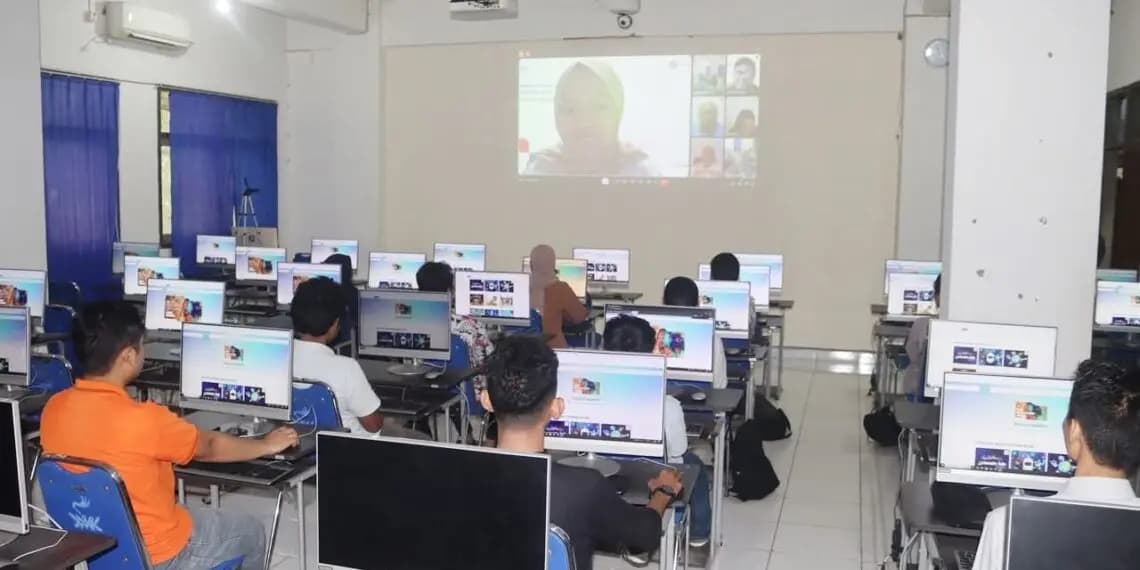
Case study documentation: Campus Networks for Safe and Responsible AI Literacy

Makassar, Purwokerto, Ambon, Manokwari, and partner campus networks in Indonesia.

Impact Story · ai-ready-asean

Campus Networks for Safe and Responsible AI Literacy

Problem. Many students are starting to use AI, but not all understand ethics, limitations, data safety, and productive use.

Intervention. Kaizen runs Hour of Code, AI Literacy, AI ethics discussions, and campus collaborations as an entry point for safer AI learning.

10+ schools and universities engaged1,000+ direct beneficiariesAI literacy and ethical technology-use materials
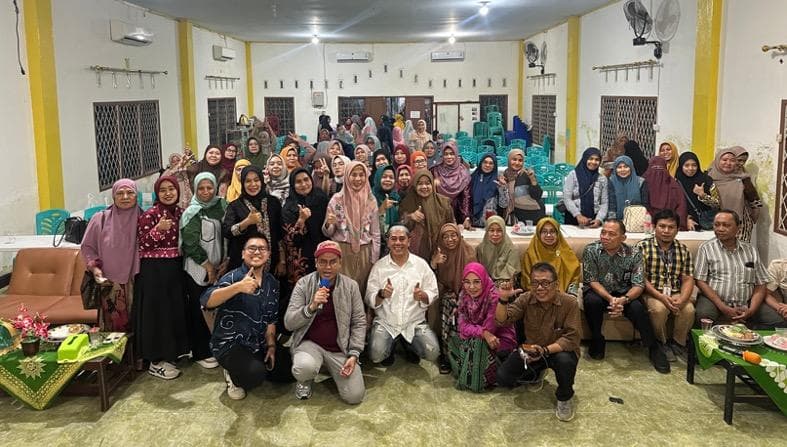
Case study documentation: Helping MSMEs Understand AI for Productivity and Competitiveness

National scale across Indonesia, primarily reaching micro-enterprises.

Impact Story · aim-asean

Helping MSMEs Understand AI for Productivity and Competitiveness

Problem. MSMEs need practical ways to use AI without losing local business context, customer closeness, and daily execution capability.

Intervention. AIM ASEAN introduces AI use for content ideas, operational efficiency, product catalogues, customer service, and business planning.

12,101 MSMEs educated: 11,994 micro enterprises (99%), 71 small enterprises (0.59%), and 36 medium enterprises (0.30%)GEDSI gender representation: 7,760 women entrepreneurs (64.13%) and 4,328 men entrepreneurs (35.77%)Distribution across 7 key sectors: 43.87% culinary, 12.31% FMCG, 11.01% services, 10.06% creative industry, 8.31% fashion, 3.20% tourism, and 11.25% others