
AI Opportunity Fund Phase 3
An AI path for K-12 teachers combining live sessions, AI Class ASEAN self-study, and a classroom AI literacy application.
Learning sequence
Modules open on the listed provider platform. Once you finish, return here to update your progress.
Completion requirements
This session opens the programme and guides participants through registering on the AI Opportunity Fund Gateway, completing the pre-survey, and opening the Kaizen course card. Participants are introduced to the design thinking method that frames the programme and to how completion is recorded.
 2
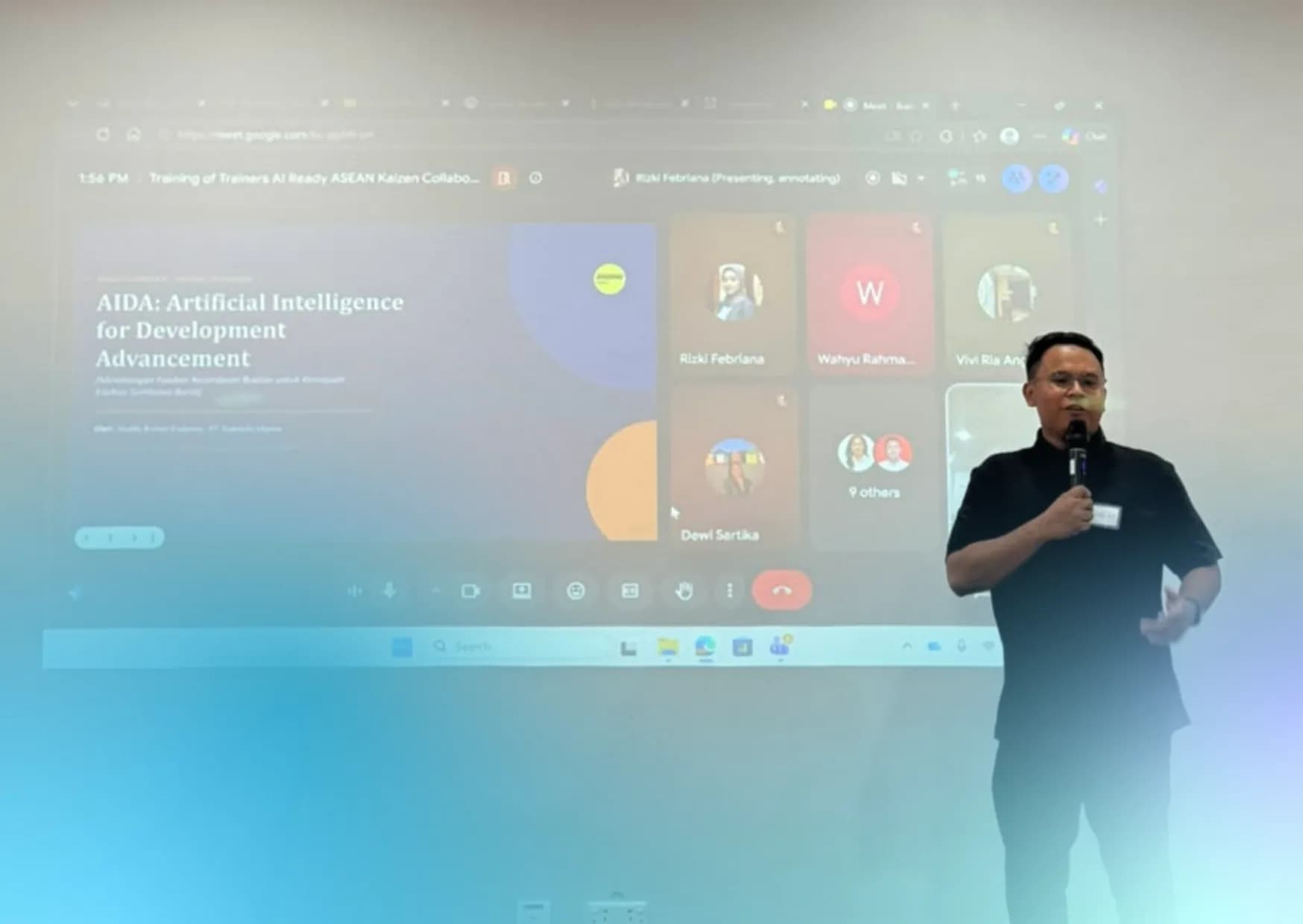
2Participants examine how artificial intelligence systems are built, covering data, models, and the basics of machine learning. The session establishes the shared vocabulary that later modules build on.
 3
3Participants explore practical applications of AI in daily personal and professional routines. Familiar examples show how AI already shapes communication, information access, and decision-making, helping teachers relate the technology to their own context.
 4
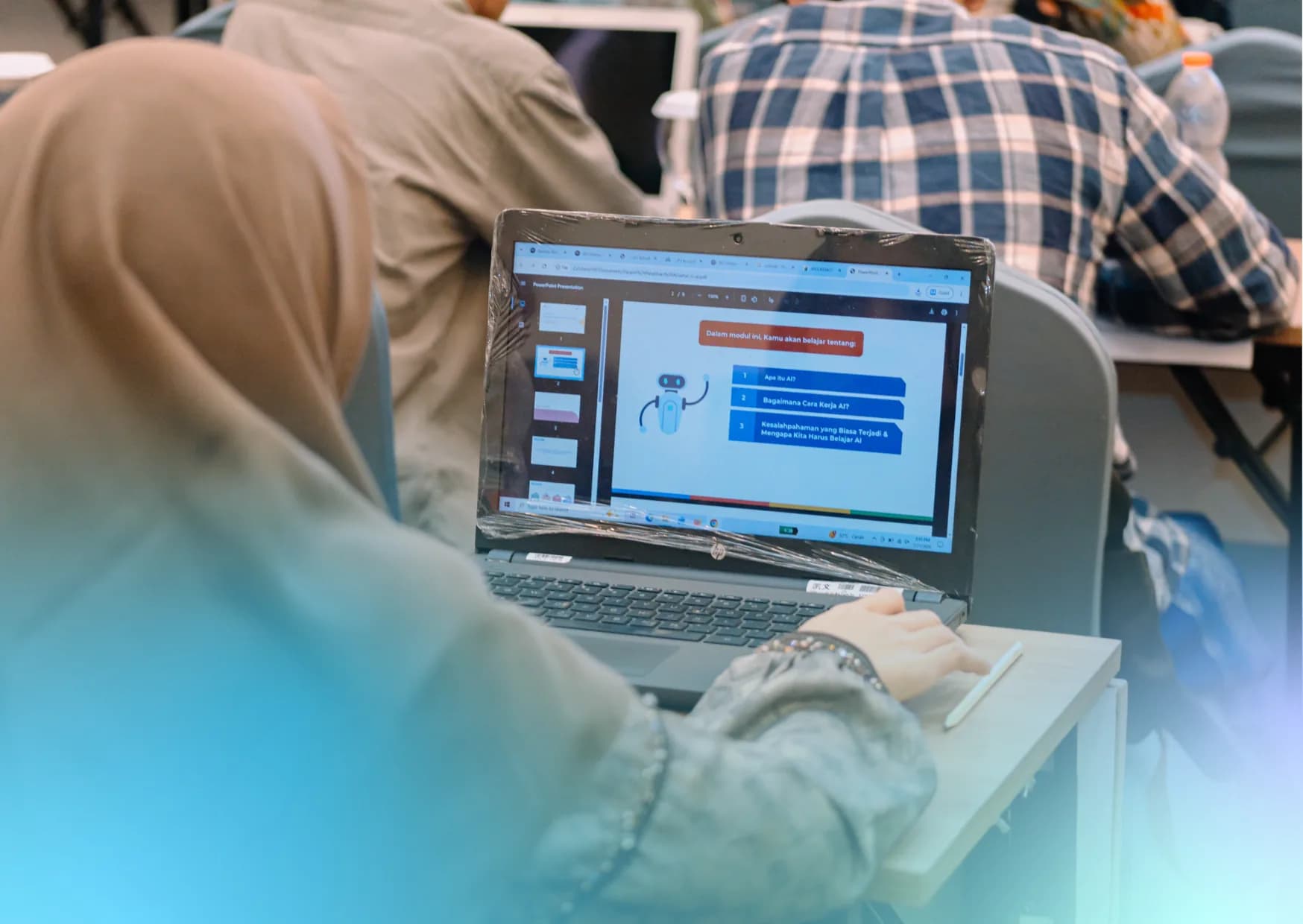
4Participants learn the fundamentals of prompting, including how to structure clear instructions, supply context, and refine outputs iteratively. Guided practice builds confidence in working with generative AI tools.
 5
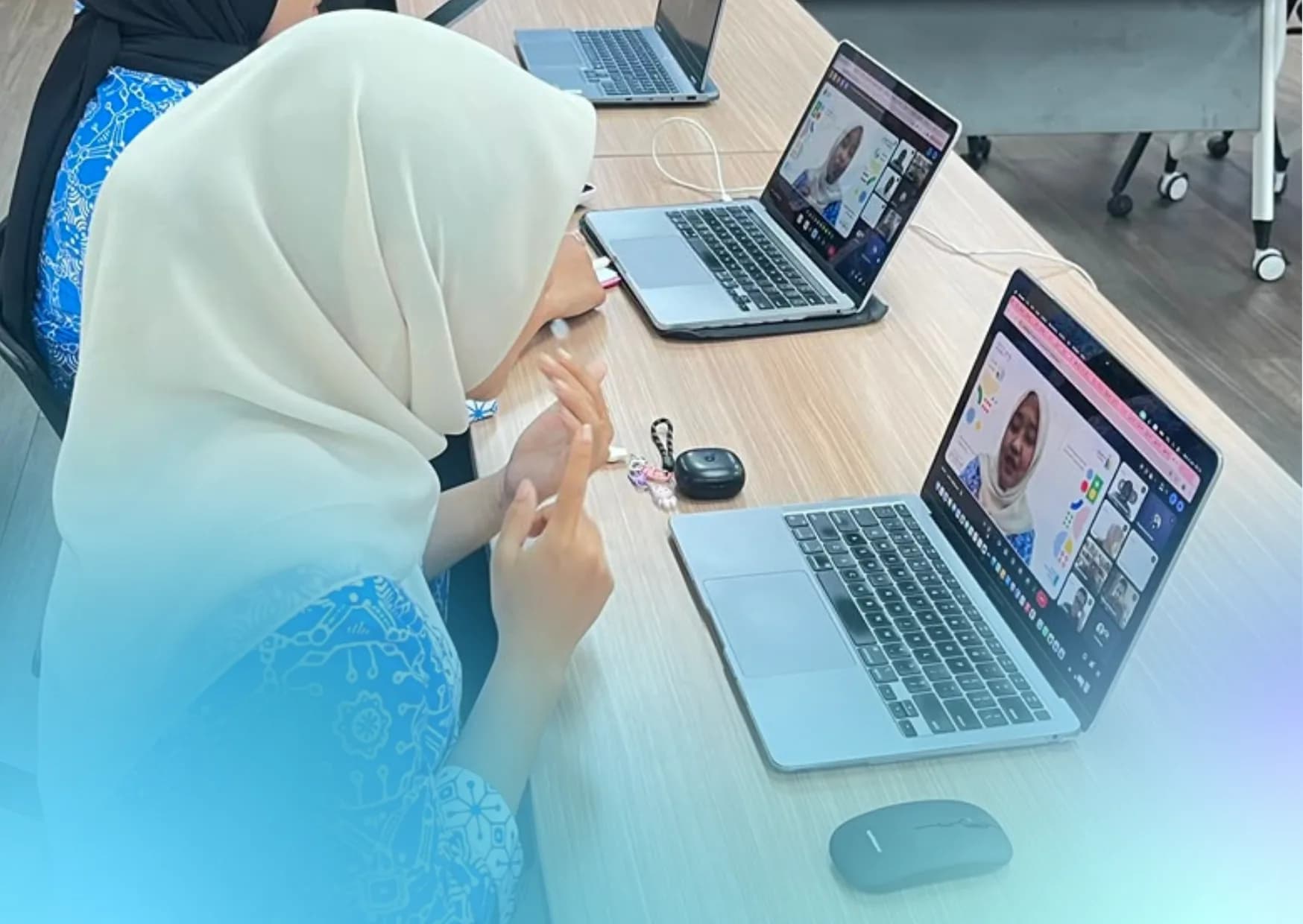
5Participants apply AI tools to reduce administrative workload across lesson preparation, correspondence, and content drafting. The session focuses on time-saving workflows that teachers can adopt immediately.
 6
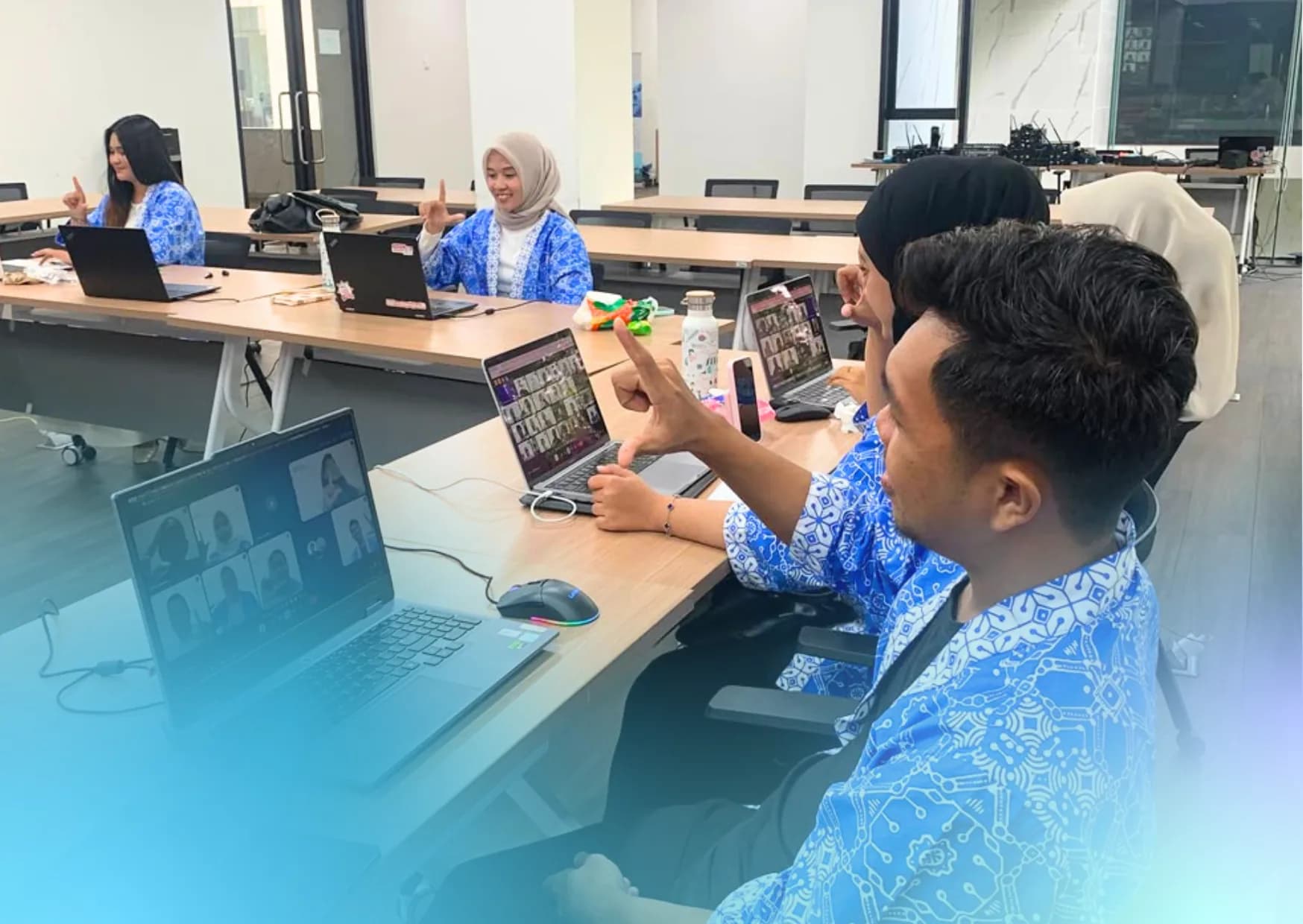
6Participants examine how AI is reshaping classroom practice, student engagement, and curriculum design. The session weighs both the opportunities and the risks that educators need to manage.
 7
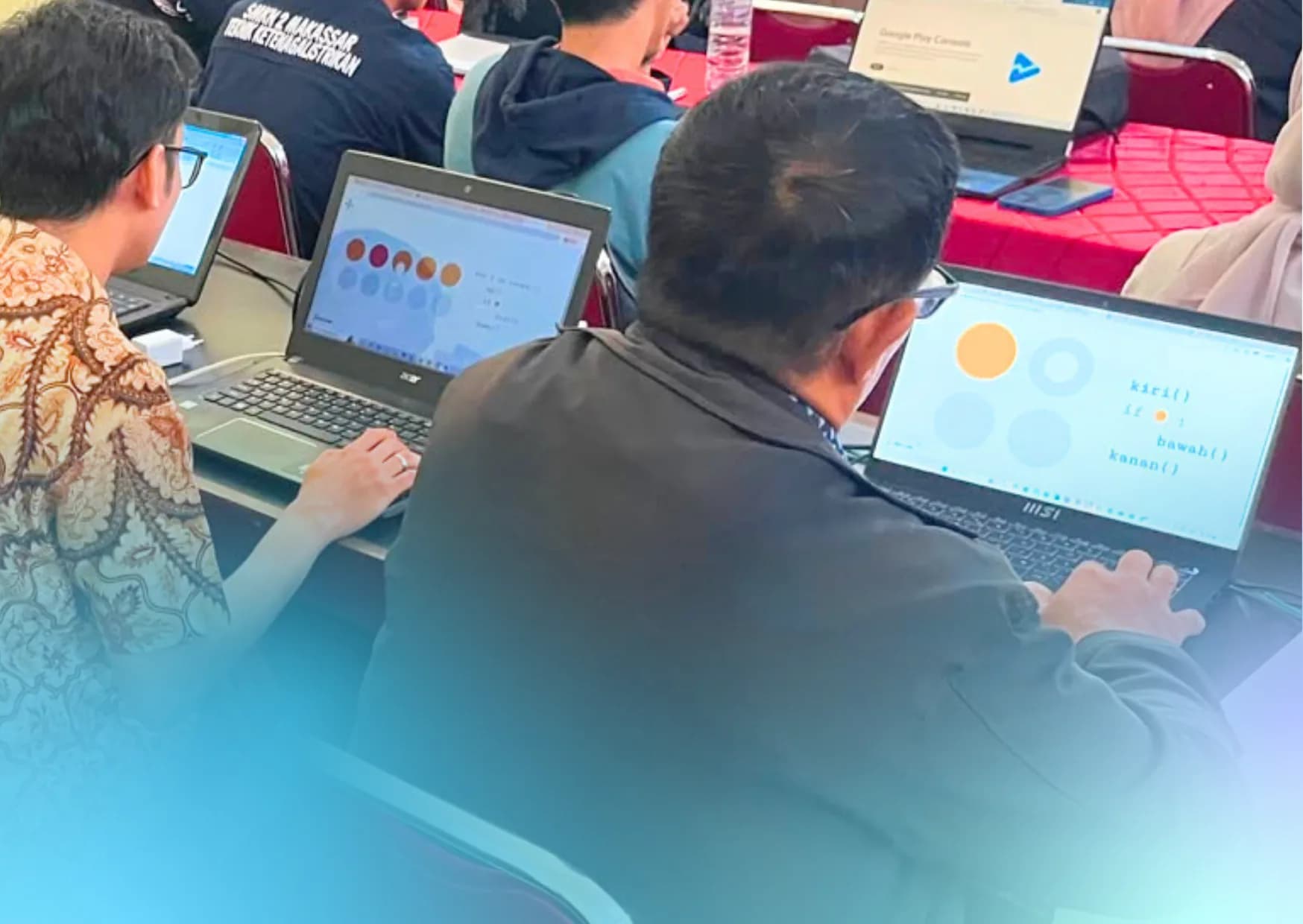
7Participants learn how to track AI developments and translate them into readiness and career guidance for their learners. The session builds habits for continuous professional learning in a fast-moving field.
 8
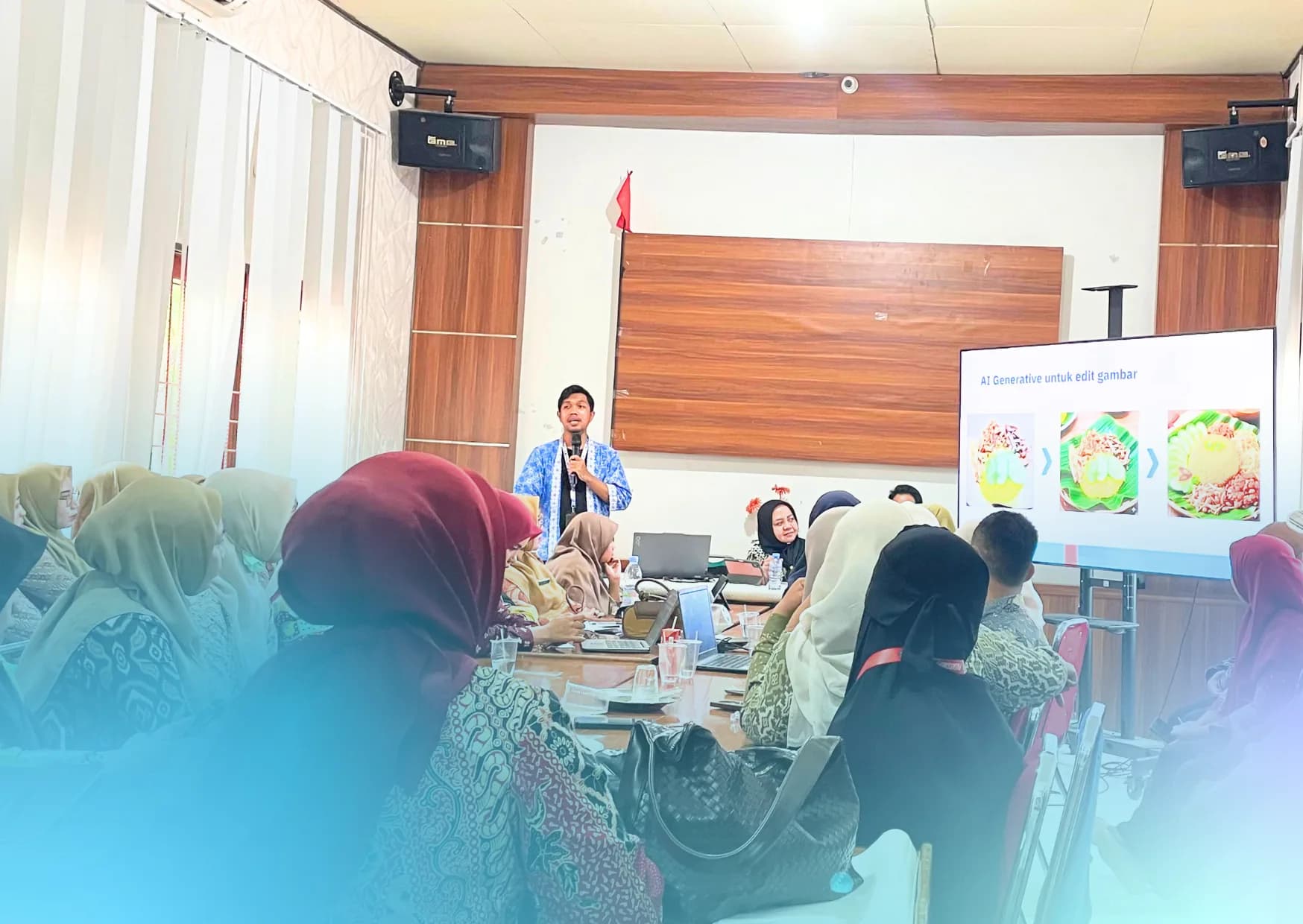
8Participants design an AI literacy session for their own classroom, defining learning objectives, delivery approach, and assessment. The session produces the practical deliverable reviewed during the final peer-learning session.
 9
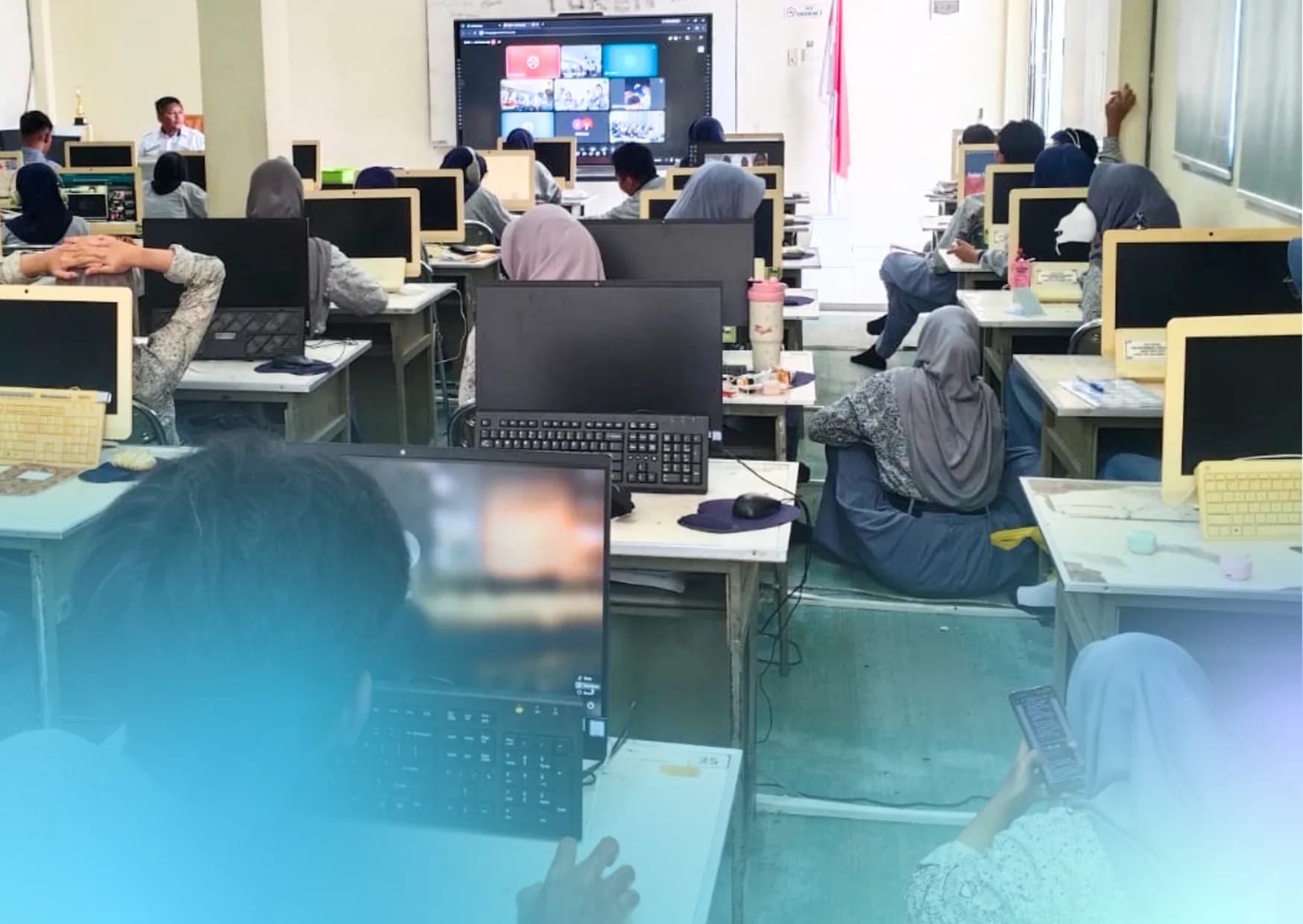
9Participants explore how AI can address social and community challenges across ASEAN. Case examples encourage teachers to frame AI as a tool for public benefit rather than efficiency alone.
 10
10Participants complete Google's Teaching Responsible Use of AI course, covering academic integrity, bias, privacy, and age-appropriate guidance. The session equips teachers to set clear expectations for AI use with their students.
 11
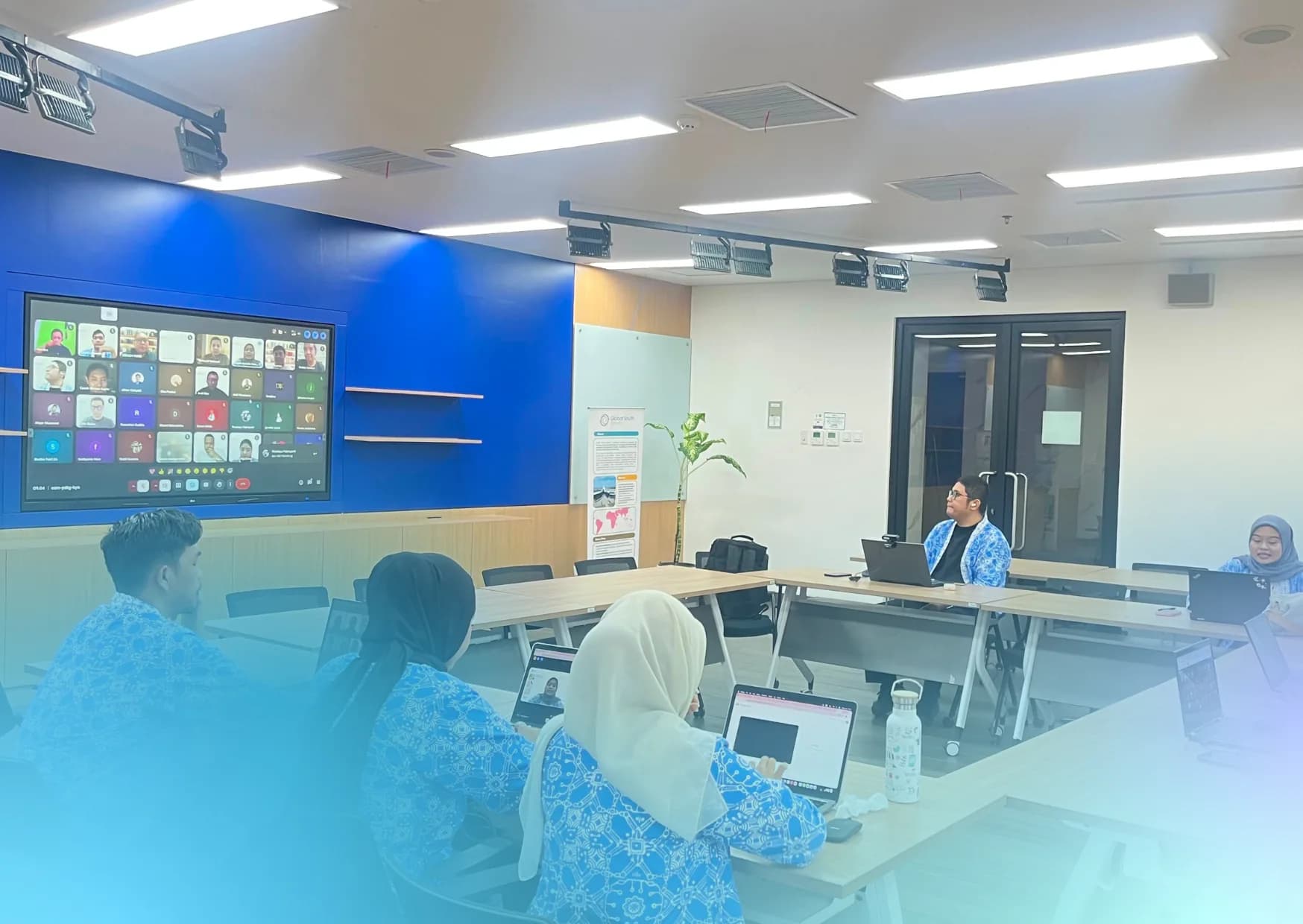
11Participants present their classroom AI literacy plans for peer review and discussion. The session closes the programme by guiding learners through the post-survey and the certificate claim on the Gateway platform.