UNIKA Soegijapranata Students Learn to Read Scam Manipulation Patterns through Scam Ready ASEAN
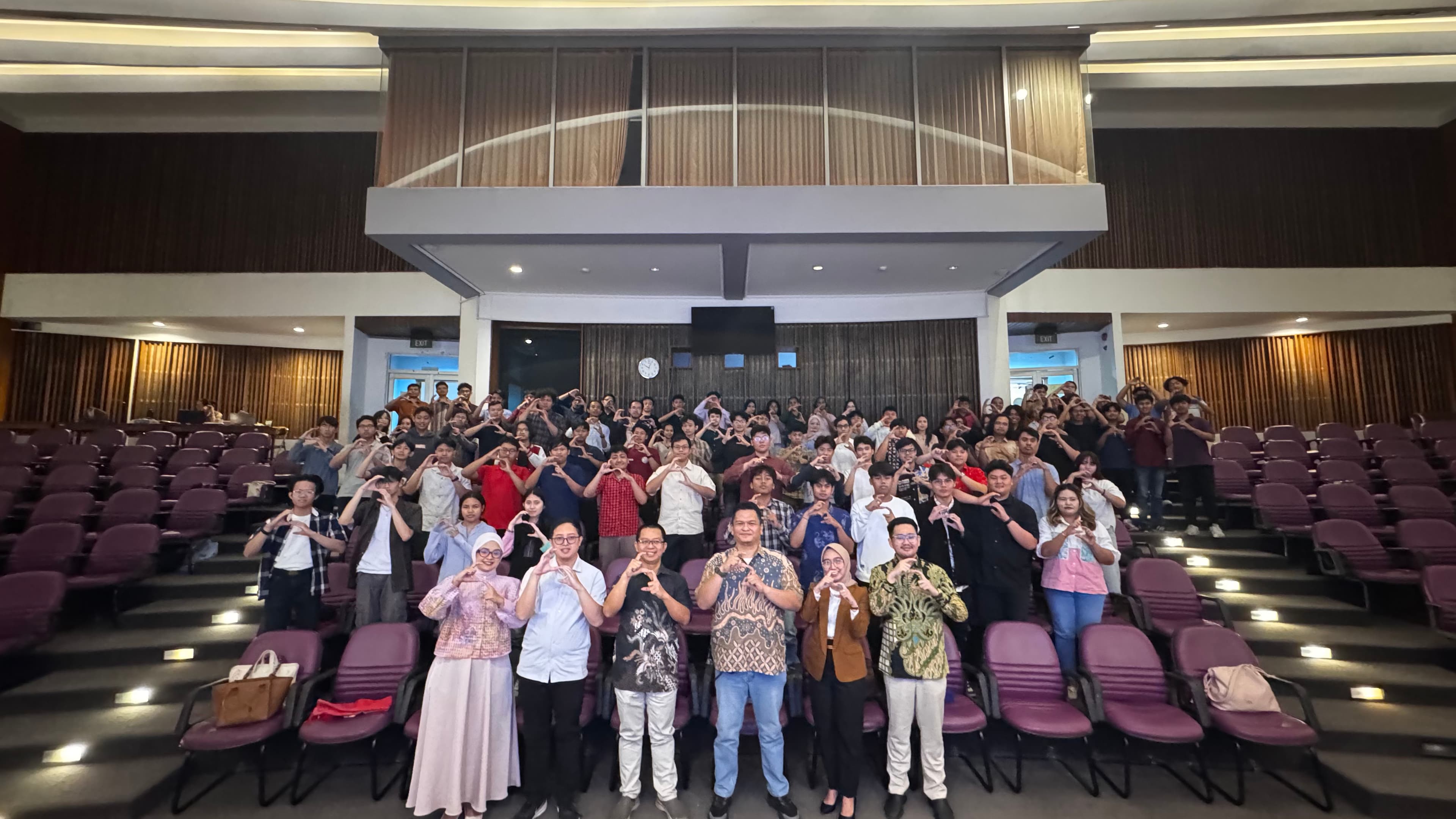
Semarang, 26 September 2026 — Digital fraud is increasingly difficult to recognize when perpetrators rely not only on technology, but also exploit trust, emotions, and the circumstances of their victims. Understanding how such manipulation works is an important part of building safer habits in the digital space. This was the focus of Scam Ready ASEAN, presented by Kaizen Collaborative Impact together with Universitas Katolik Soegijapranata (UNIKA Soegijapranata) for students in Semarang, Saturday (26/9).
Kaizen releaseScam Ready ASEAN, Literasi Digital, Keamanan Digital, Anti-ScamSemarang, Jawa Tengah
Scam tactics can emerge in situations close to everyday life, from digital transactions to personal relationships. Therefore, understanding scams is not enough by merely recognizing their characteristics. Users also need to understand how perpetrators build trust, create a sense of urgency, and exploit emotional conditions to influence decisions. This is the perspective brought by Scam Ready ASEAN, an initiative of the ASEAN Foundation together with Google.org, through digital safety education implemented in Indonesia by local partners, one of which is Kaizen Collaborative Impact.
Head of the Information Systems Study Program at UNIKA Soegijapranata - Dr. Albertus Dwi Yoga, S.Kom., M.Kom.,
For Dr. Albertus Dwi Yoga, S.Kom., M.Kom., Head of the Information Systems Study Program at UNIKA Soegijapranata, the ability to understand fraud patterns is important because scams can emerge in situations that appear ordinary. In his remarks, he shared an experience when he nearly became a victim of fraud while looking for a place to live for his child.
“With this program, we are helped to recognize the patterns and flow of a cycle of digital fraud occurring in our society today. Not only knowing its characteristics, but also being able to apply things that are beneficial for other users of the digital space, especially within the circle of family, friends, and even closest relatives,” said Dr. Yoga.
Project Officer Scam Ready ASEAN - Ahmad Afryan
This perspective was expanded by Ahmad Afryan, Project Officer of Scam Ready ASEAN from the ASEAN Foundation, who emphasized that scam risks can emerge in various environments, from communities to the ASEAN region. Therefore, readiness to face digital fraud requires joint involvement, including through collaboration with universities and local implementing partners.
Scam Ready ASEAN Comes to UNY, Kaizen Collaborative Impact Promotes Inclusive Digital Anti-Scam Education
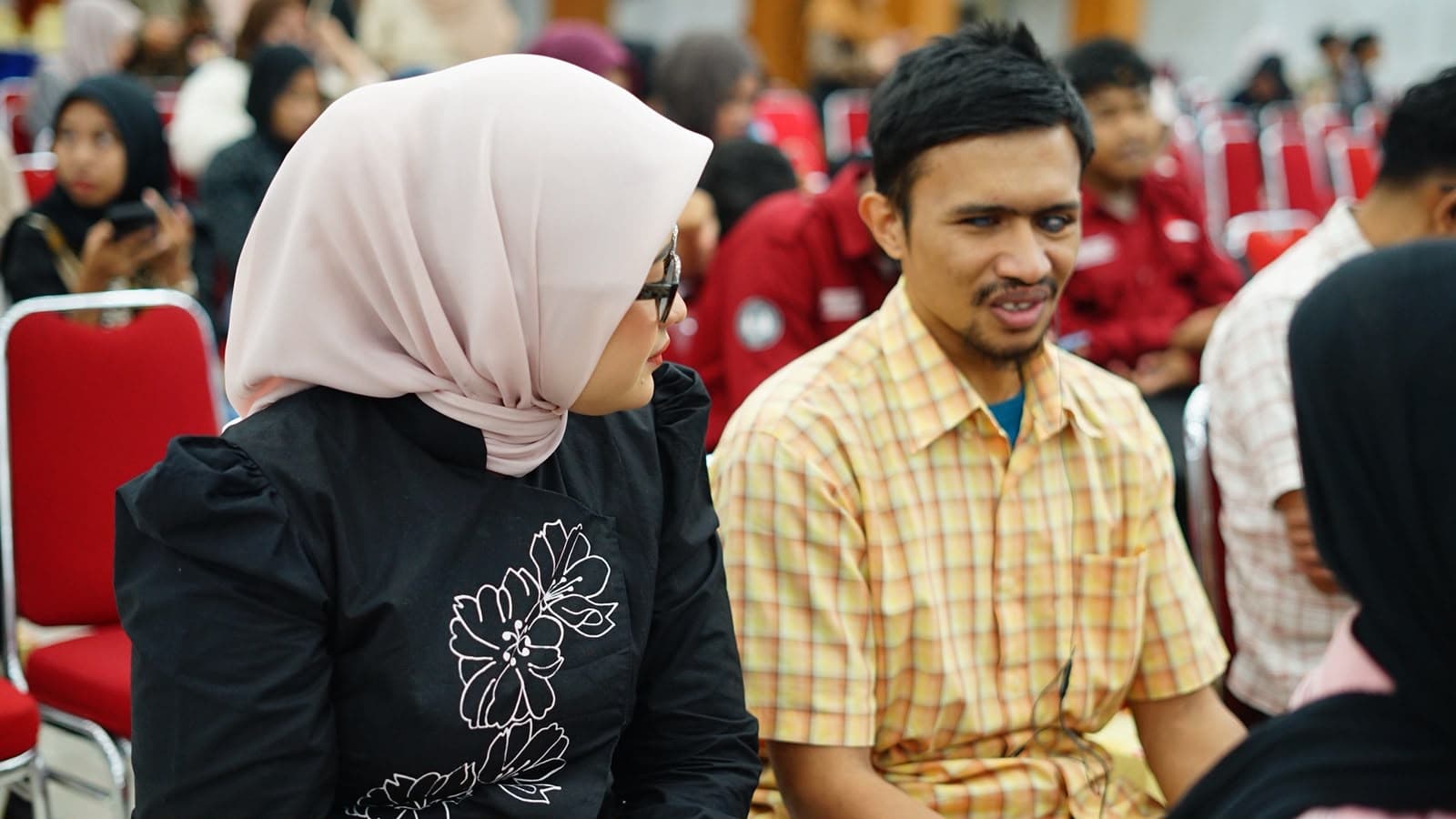
Students, lecturers, education staff, and participants with visual disabilities learn to recognize, prevent, and respond to scams through interactive discussions and the Be Scam Ready simulation.
Meanwhile, Rito Sudianto, Project Manager of Kaizen Collaborative Impact, emphasized that learning about scams needs to provide participants with knowledge as well as the confidence to make safer decisions when in the digital space.
“Today is about building the knowledge and confidence we need to stay safe online, recognize fraud, and make smarter choices. So, let us learn together, ask questions, and make the most of this opportunity,” said Rito.
The message was then applied through learning that actively involved students. In two sessions attended by students of the 2025–2026 cohort together with Master Trainer Scam Ready ASEAN Kabizatya Rizqi Amantha, and students of the 2023–2024 cohort by mba Rizqika Alya Anwar. In these sessions, participants not only received material, but also asked questions and shared experiences regarding fraud issues they encountered in their surroundings.
The discussion covered situations close to everyday digital activities. One of them was fraud in preloved goods buying and selling transactions, when participants were invited to understand the importance of rechecking information before transacting and being careful in providing personal data to unknown parties.
Participants were also invited to understand how perpetrators can exploit certain conditions through tactics such as love scams, financial distraction, impulsivity, and emotional conditions. This discussion showed that scam risks are not solely related to the ability to use technology, but also to how a person responds to information, pressure, and situations constructed by perpetrators.
To strengthen this understanding, participants took part in the Be Scam Ready game (https://bit.ly/BSR_PlayWithKaizen), which provided an opportunity to recognize various risky situations interactively. The discussion after the game became a space for students to test their understanding and connect it with experiences they or those around them had gone through.
Be Scam Ready simulation on the website https://bit.ly/BSR_PlayWithKaizen
One of the UNIKA Soegijapranata students, Ernan, considered education about scams important to continue expanding to other community groups that also face risks in the digital space, including persons with disabilities, MSME entrepreneurs, the elderly, and caregivers.
The questions and stories that emerged during the session helped participants understand how to check information, recognize suspicious situations, and reconsider decisions before acting.
For Kaizen Collaborative Impact, this learning is important because readiness to face scams does not stop at the ability to recognize one fraud tactic.
What needs to be built is the habit of pausing for a moment, checking information, and considering risks before trusting or responding to a request in the digital space.
This knowledge is also expected to be passed on to family, friends, and the community. In this way, a person not only protects themselves, but also helps those around them recognize risks they may not yet be aware of.
This spirit is in line with the message “Learn, Play, and Protect One Another” in Scam Ready ASEAN: learn to understand risks, use an approach that brings learning closer to participants’ experiences, and protect one another when facing threats in the digital space.
The activity at UNIKA Soegijapranata was closed with the message “Stay Scam Ready”—a reminder that facing digital fraud requires vigilance applied consistently, not only when someone is already confronted with a fraud tactic.
“About ASEAN Foundation
The ASEAN Foundation was established by ASEAN leaders on 15 December 1997 at the 30th ASEAN Anniversary Commemorative Summit in Kuala Lumpur, Malaysia. The ASEAN Foundation works for and with the ASEAN community with the mandate to build an integrated and prosperous ASEAN Community through enhancing awareness, identity, interaction, and the development of the ASEAN community.
About Scam Ready ASEAN
Scam Ready ASEAN is a program implemented by the ASEAN Foundation with USD 5 million support from Google.org for the 2025–2027 period. The program aims to equip 3 million people in the ASEAN region with practical knowledge to recognize and respond to online fraud, including threats that are evolving with the use of AI. The program is implemented through training, game-based learning such as Be Scam Ready, public awareness campaigns, and various activities at the national and regional levels to strengthen community readiness in facing digital fraud.
About Kaizen Collaborative Impact
Kaizen Collaborative Impact is an organization engaged in community empowerment, digital literacy education, and inclusive program development in Indonesia. Through collaboration with various public sectors and regional institutions, Kaizen Collaborative Impact is committed to creating a digital ecosystem that is safe, equitable, and delivers sustainable impact for society. In the Scam Ready ASEAN program, Kaizen Collaborative Impact is one of the Local Implementing Partners supporting the implementation of digital safety education in Indonesia.”
- Media Contact WhatsApp: 085895398398 Email: partner@kaizenimpact.org Website: www.kaizenimpact.org
Tags#Scam Ready ASEAN, Literasi Digital, Keamanan Digital, Anti-Scam#Semarang, Jawa Tengah
AIM ASEAN, AI untuk UMKM, Digitalisasi UMKM, Literasi Digital
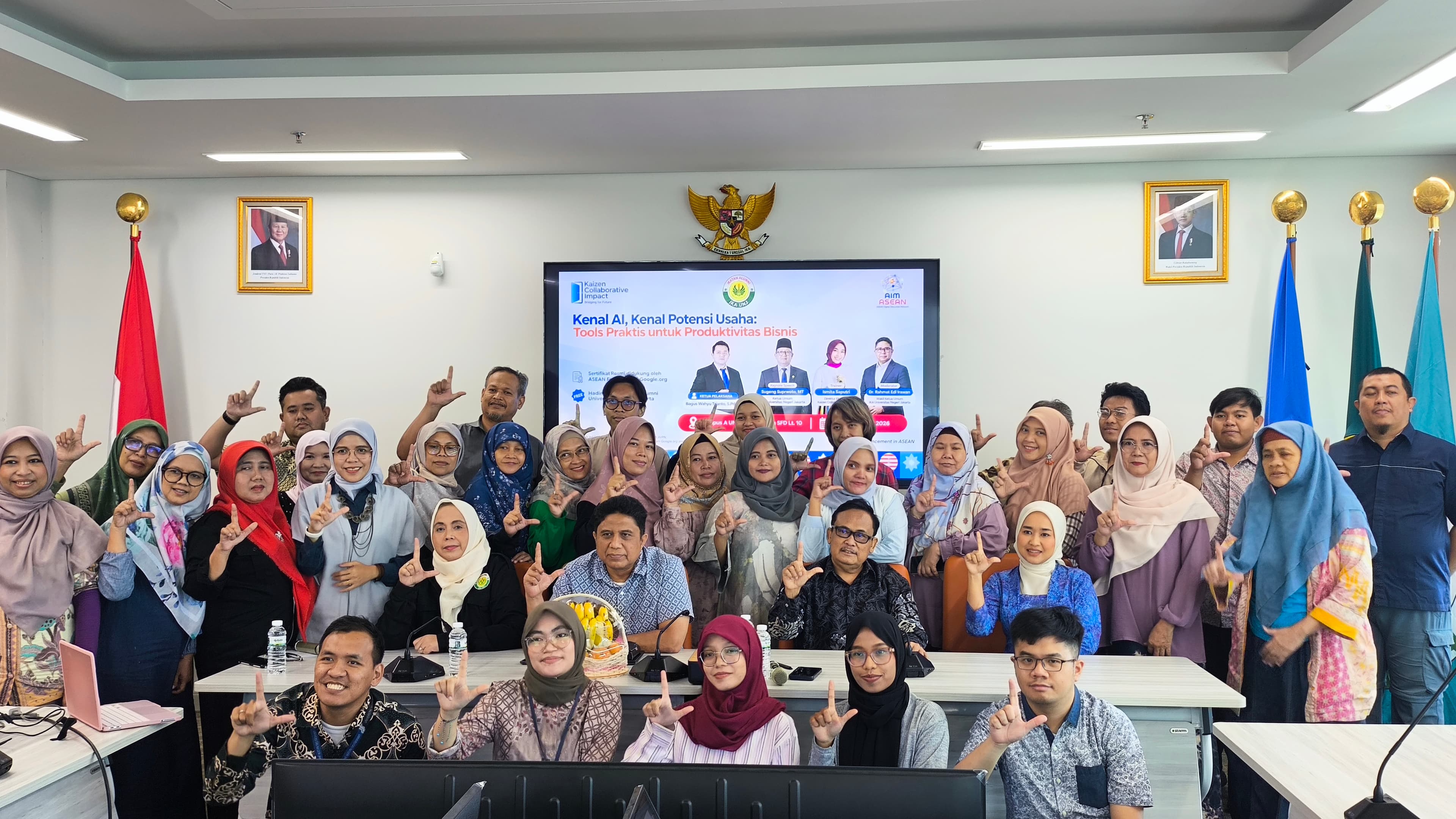
IKA UNJ and Kaizen Collaborative Impact Equip MSMEs with Practical Skills to Leverage AI for Business Productivity
Jakarta, 26 September 2026 — The use of Artificial Intelligence (AI) is increasingly opening opportunities for entrepreneurs to simplify various business needs, from building a business presence in the digital space to assisting with administrative work. Recognizing this opportunity, the Universitas Negeri Jakarta Alumni Association (IKA UNJ) together with Kaizen Collaborative Impact equipped micro, small, and medium enterprise (MSME) entrepreneurs with practical skills to leverage AI in supporting productivity and business development.
Pemajuan Kebudayaan Desa, AI untuk Desa, Digitalisasi Desa, Literasi Digital
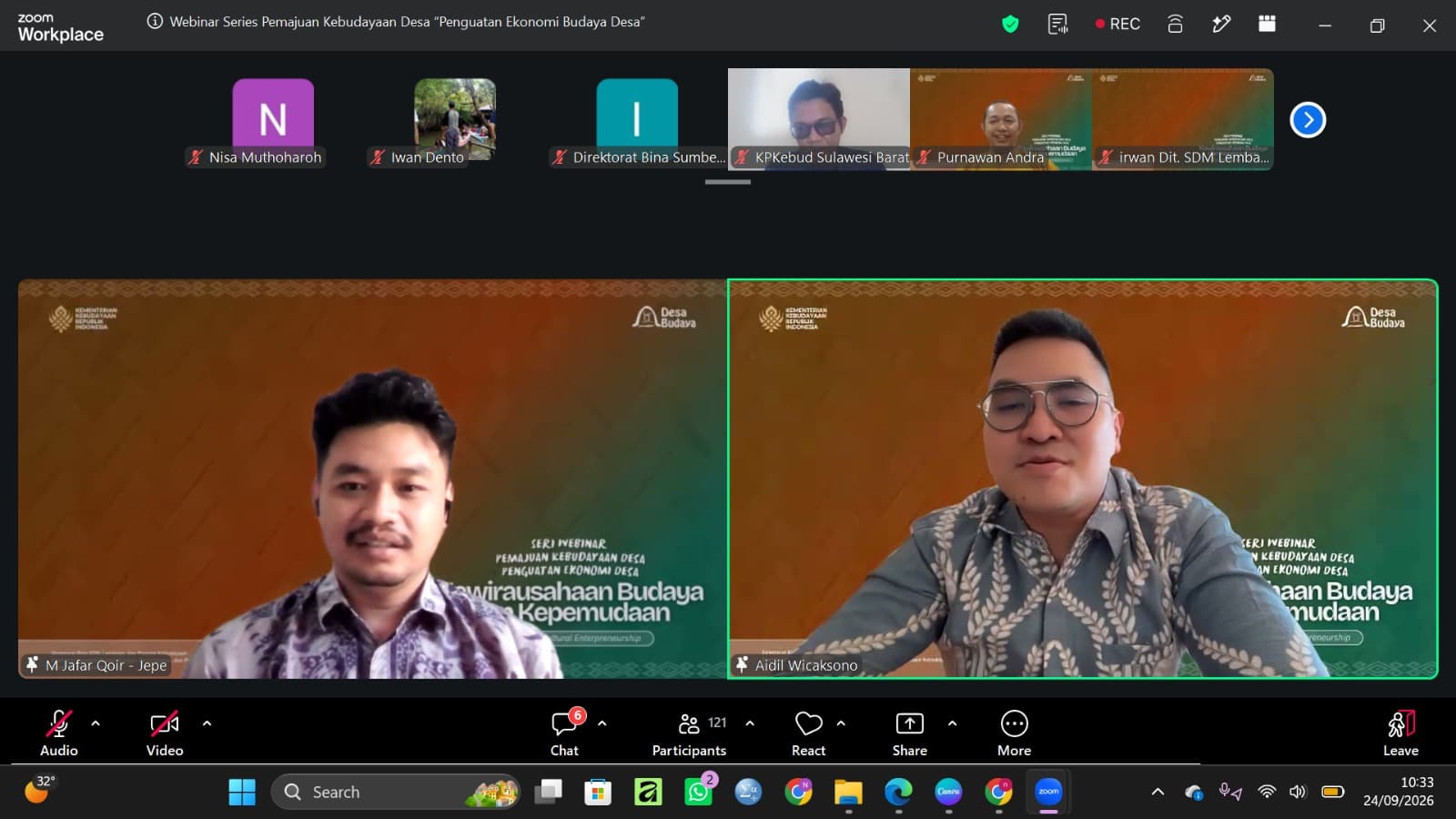
Ministry of Culture Encourages Village Youth to Leverage AI to Strengthen Local Economy
The Village Cultural Advancement Forum brought together Rammang-Rammang's community empowerment experience with practices in utilizing AI technology to support the digitalization of tourism villages.



 Program UpdateKaizen